

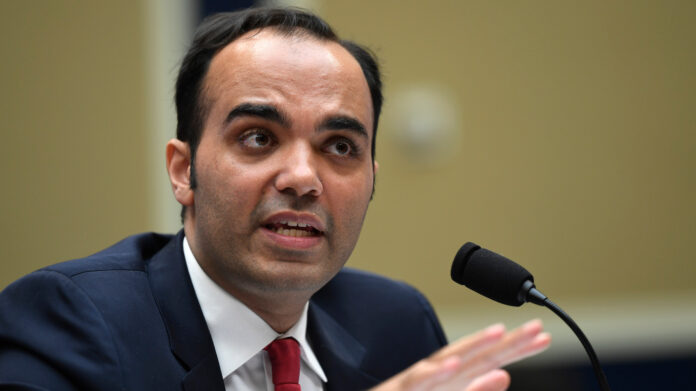
The Federal Trade Commission officially announced the upholding of restrictions against Scott Zuckerman, the founder of Support King and its subsidiaries SpyFone and OneClickMonitor. This enforcement action marks a significant milestone in federal efforts to protect consumer privacy and curb the misuse of covert surveillance software. The decision reflects heightened regulatory concern over the growing availability of tools that enable unauthorized digital monitoring.
The ruling stems from multiple security failures that led to the exposure of sensitive data belonging to both customers and individuals unknowingly monitored through these applications. Such incidents underscored how unchecked surveillance technologies can facilitate stalking, harassment, and other forms of digital abuse. The Stalkerware Ban serves as a clear signal that regulatory bodies are prepared to take firm action when consumer trust and safety are compromised.
Impact of the FTC Ruling on Stalkerware Ban
The enforcement action represents a landmark moment in the regulation of surveillance software. By upholding the Stalkerware Ban, the commission demonstrated a strong stance on data security and ethical technology use. This decision may influence how future cases involving invasive monitoring tools are evaluated and prosecuted.
Beyond the immediate consequences for the individuals involved, the ruling offers broader protection for consumers who may otherwise fall victim to misuse of monitoring applications. It also places increased responsibility on developers and distributors of similar software to ensure compliance with privacy standards. Companies operating in this space are now expected to strengthen safeguards, implement transparent data practices, and reassess product designs to prevent misuse.
Broader Industry Consequences of Stalkerware Ban
The decision highlights a broader trend of intensified scrutiny across the technology sector, particularly in areas involving personal data and surveillance. As awareness of digital privacy risks grows, regulators are becoming more proactive in addressing technologies that can be exploited for harmful purposes. The Stalkerware Ban may act as a reference point for future regulatory actions in other jurisdictions.
Industry analysts suggest that this move could accelerate the development of stricter compliance frameworks and internal governance policies. Software firms involved in data collection, monitoring, or analytics may be compelled to adopt privacy-by-design principles. The case reinforces the idea that failure to protect user data can result in severe legal and reputational consequences.
Looking Ahead: Future of Privacy and Surveillance
The FTC’s decision opens a broader conversation about the balance between technological innovation and individual rights. As digital tools become more sophisticated, the risks associated with misuse also increase. The Stalkerware Ban illustrates how regulatory oversight must evolve alongside technology to address emerging threats to personal privacy.
Moving forward, companies will need to prioritize ethical development practices and transparency to maintain consumer trust. Regulators, consumers, and technology providers all play a role in shaping a safer digital environment. This ruling underscores that privacy protection is no longer optional but a fundamental expectation in the modern technology landscape.