
Introduction.
Bank of America is experiencing significant growth in mobile-first security tools for its CashPro platform. A key highlight is the Bank of America QR sign-in code sign-in feature, which has now crossed over two million uses globally since its 2022 launch. The feature witnessed a 60% increase in adoption over the past year. As security expectations grow and businesses demand speed and convenience, mobile tools like QR sign-in are becoming essential.
Addressing User Frustrations.
Many businesses found traditional login systems time-consuming and inconvenient. Password resets and lost security tokens caused delays and frustration. In response, Bank of Bank of America QR sign-in to solve these common issues. Jennifer Sanctis, Managing Director at CashPro, emphasized the importance of client feedback. According to her, users helped shape the feature to ensure it addressed their pain points effectively.
How the QR Code Sign-In Works.
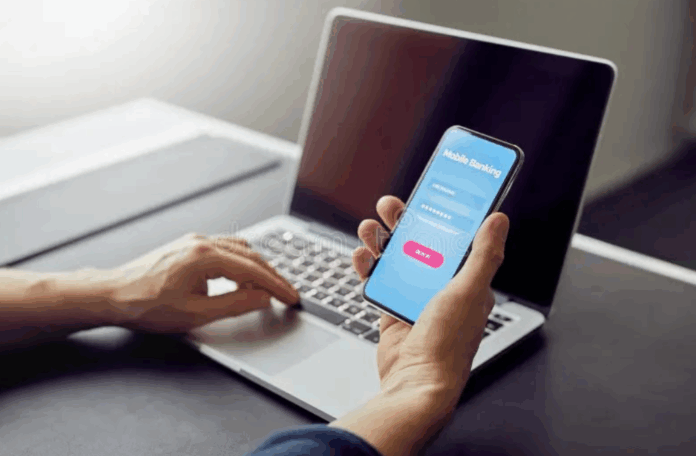
Instead of entering passwords or using hardware tokens, users simply scan a QR code on their computer screen. The scan is done through the secure CashPro mobile app, allowing users to access their accounts instantly. This method combines convenience with strong security, making it ideal for today’s fast-moving business environment. It removes the need to carry physical devices or remember complex passwords.
Compliance and Convenience in Europe.
The adoption of QR sign-in has been especially strong in Europe. Many European businesses now use this login method more than twice as often as their U.S. counterparts. This rise is driven by strict regulations, such as the Revised Payment Services Directive (PSD2), and a desire for easier access. In regions where strong customer authentication is required, QR sign-in offers a compliant and user-friendly solution.
Introducing Push Authentication.
To enhance its mobile security offerings further, Bank of America has also introduced a push authentication feature. Instead of typing verification codes, users now receive a push notification on their mobile device. They can then approve or deny access with a single tap. This eliminates friction while keeping the login process highly secure. Businesses have quickly embraced this feature for its speed and simplicity.
Mobile Usage Surpasses Traditional Tokens.
In a major milestone, CashPro users now log in more frequently with mobile authentication than with physical security tokens. This shift happened for the first time in early 2025. It signals a new era in how businesses interact with banking platforms. Mobile-first tools are no longer just optional—they are becoming the standard. Firms are recognizing the time and resource savings these tools provide.
Adapting to Global Business Needs.
The success of QR sign-in and push authentication reflects a broader trend in digital transformation. Companies want tools that work seamlessly across borders and devices. Whether accessing banking systems in offices, airports, or homes, employees need fast and reliable login methods. Bank of America’s mobile-first approach aligns with how modern workforces operate today. The focus is now on flexibility without sacrificing security.
Security without Compromise.
Bank of America has designed these mobile-first features to meet strict security standards. Every QR sign-in and push notification is encrypted and verified. This means companies can reduce the risk of fraud while improving user experience. By replacing outdated methods, the bank ensures businesses are not only faster but also safer in their operations.
Conclusion.
Bank of America’s focus on QR code sign-ins and push authentication represents a major step in secure digital banking. With over two million QR logins and growing adoption across Europe, mobile-first security is clearly gaining ground. Businesses are showing that they want more than just protection—they want speed, simplicity, and trust. As the future of B2B banking evolves, mobile authentication is leading the way.